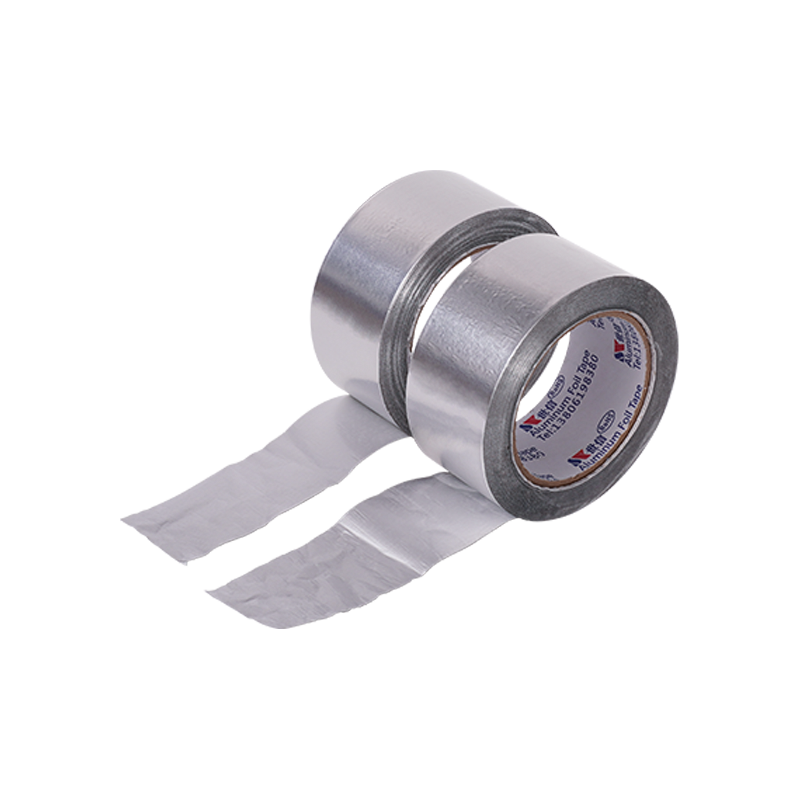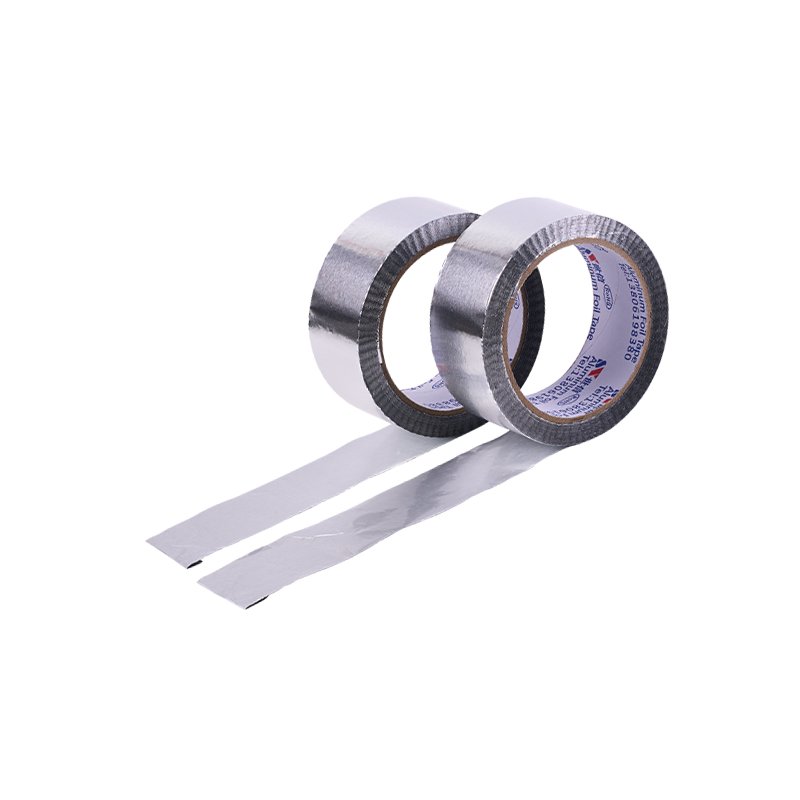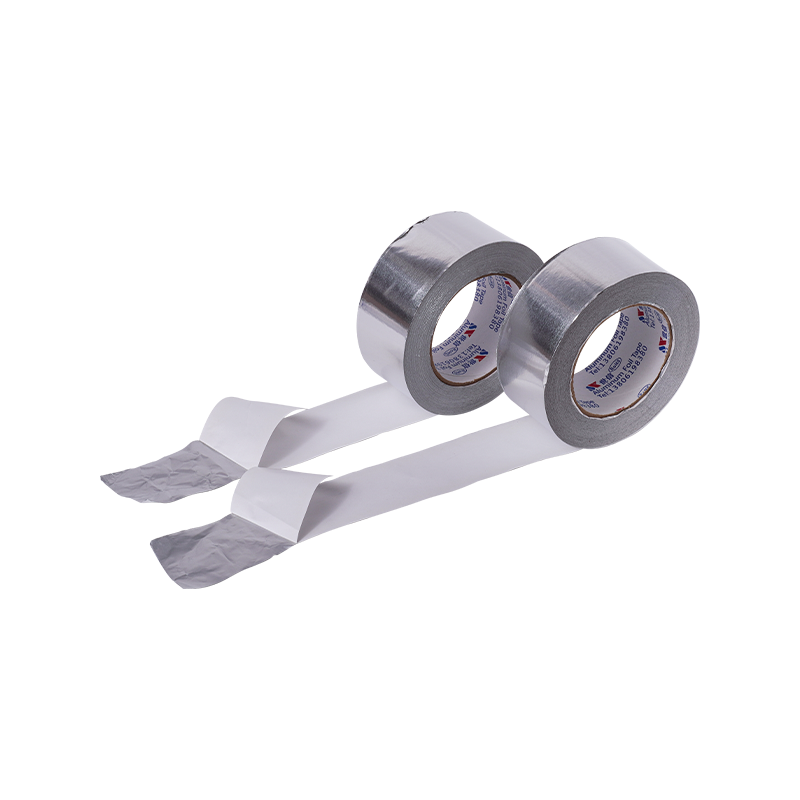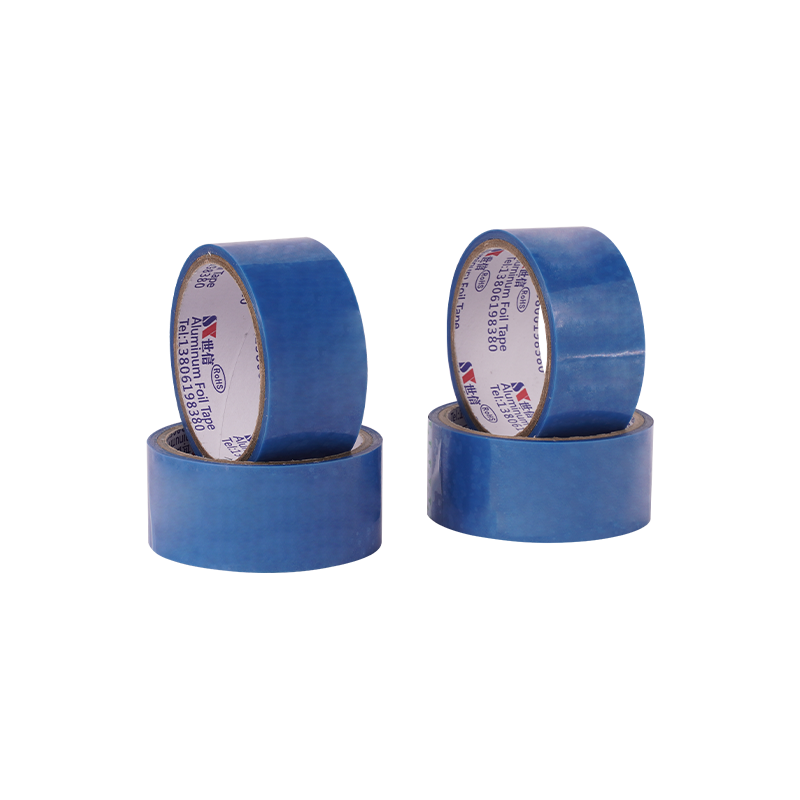
Industrial refrigeration systems demand sealing solutions that withstand extreme thermal cycling, mechanical vibration, and chemical exposure. Standard consumer-grade tapes fail within months when subjected to compressor heat, evaporator condensation, and continuous thermal contraction. This technical guide examines material specifications, adhesive chemistries, and application methodologies for refrigerator foil tape in manufacturing and heavy-duty maintenance environments.
Established in 2005 and covering a factory area of nearly 11,000 square meters with 100 employees, our facility has evolved over two decades into a high-tech enterprise integrating R&D, production, and sales. Specializing in premium adhesive solutions, we supply aluminum foil tapes, PU/PE/NBR foam solutions, and film tapes to global manufacturers, including Midea, TCL, and Vestel, delivering 10%-15% cost savings compared to EU suppliers through scale production and localized supply chain optimization. All products maintain RoHS, REACH, ISO 9001, ISO 14001, and SGS certifications.
While both categories utilize aluminum foil substrates, refrigerator aluminum foil tape without a liner, and related industrial variants incorporate distinct material architectures optimized for sub-zero operational environments. The divergence begins at the polymer level and extends through backing thickness, adhesive mass, and release coating chemistry.
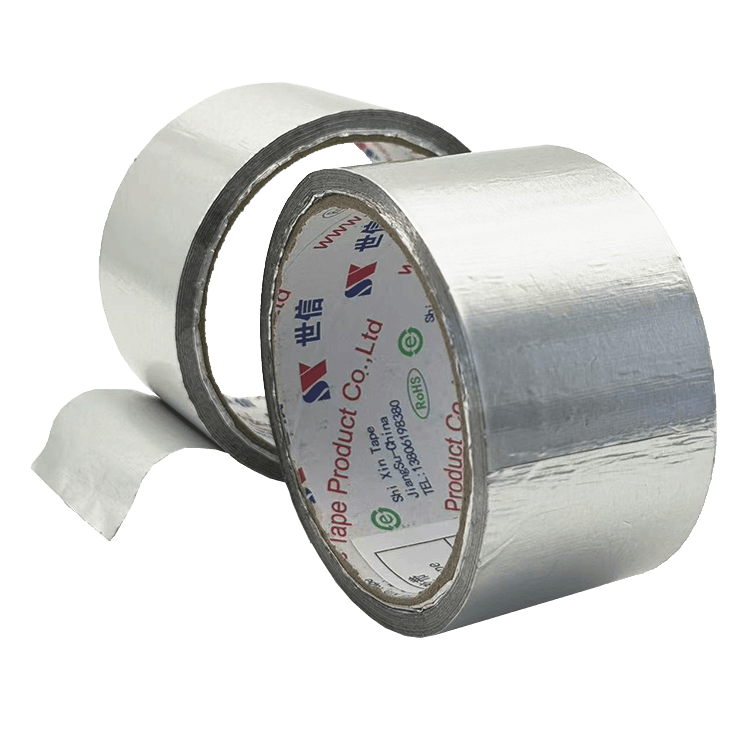
Standard HVAC aluminum foil tapes typically accommodate temperature ranges of -10°C to +80°C, suitable for residential air conditioning ductwork. However, commercial refrigeration equipment operates continuously at evaporator temperatures reaching -40°C, with compressor discharge lines exceeding +120°C during peak load cycles. This 160°C operational delta demands specialized acrylic adhesive formulations cross-linked for low-temperature flexibility retention.
Comparative analysis reveals critical performance differentiators:
| Property | Standard HVAC Tape | Refrigerator-Grade Tape | Automotive High-Temp Variant |
| Service Temperature Range | -10°C to +80°C | -40°C to +120°C | -40°C to +200°C |
| Adhesive Type | Hot-melt synthetic rubber | Solvent acrylic | Silicone-modified acrylic |
| Backing Thickness | 30-50 micron | 50-80 micron | 80-150 micron with fiberglass reinforcement |
| Peel Adhesion at -20°C | <0.8 N/cm | >2.0 N/cm | >2.5 N/cm |
| Moisture Vapor Transmission | 1.5 g/m²/24h | 0.5 g/m²/24h | 0.3 g/m²/24h |
Industrial refrigeration equipment generates continuous mechanical stress through compressor vibration, thermal expansion cycling, and pressure pulsation in refrigerant lines. Automotive-grade refrigerator foil tape high-temperature variants address these challenges through multi-layer substrate architectures:
The selection between plain foil, FSK-reinforced, and SS-reinforced configurations depends on application-specific mechanical loading:
| Application | Recommended Construction | Tensile Strength | Elongation at Break |
| Evaporator coil protection | Plain aluminum foil (50 micron) | 45 MPa | 3-5% |
| Refrigerant line insulation facing | FSK reinforced | 85 MPa | 8-12% |
| Compressor mount vibration damping | SS reinforced with fiberglass | 120 MPa | 15-20% |
| Transport refrigeration (truck/trailer) | Automotive-grade fiberglass reinforced | 150 MPa | 18-25% |
The adhesive system represents the critical failure point in refrigeration applications. Solvent-based acrylic adhesives dominate industrial specifications due to their unique combination of low-temperature flexibility, chemical resistance to refrigerant oils, and long-term aging stability.
Acrylic adhesive performance in sub-zero environments correlates directly with cross-linking density. Under-cured systems retain tack but exhibit excessive cold flow, leading to adhesive migration and bond line failure. Over-cured systems become glassy and brittle, cracking under thermal contraction stress.
Optimal formulations for cold-resistant aluminum foil tape for freezer repair utilize moderate cross-linking with plasticizer incorporation:
Modern refrigeration systems utilize polyolester (POE) and polyalkylene glycol (PAG) lubricants with aggressive solubility characteristics. Adhesive systems must resist plasticization and debonding upon oil contact:
| Chemical Exposure | Standard Rubber Adhesive | Solvent Acrylic | Silicone Modified |
| Mineral oil (MO) | Good resistance | Excellent resistance | Excellent resistance |
| Alkylbenzene (AB) | Moderate swelling | Excellent resistance | Excellent resistance |
| Polyolester (POE) | Severe degradation | Good resistance | Excellent resistance |
| Polyalkylene glycol (PAG) | Severe degradation | Moderate resistance | Good resistance |
| Hydrofluorocarbon refrigerants | Swelling and tack loss | Minimal interaction | No interaction |
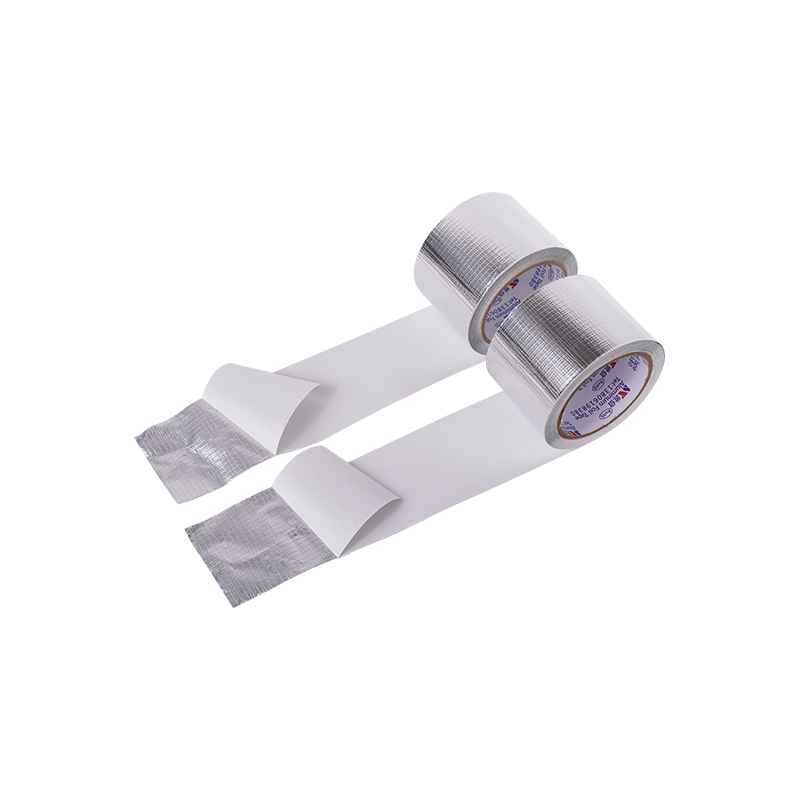
Production efficiency in appliance manufacturing depends heavily on tape format compatibility with automated application systems. The choice between self-wound aluminum foil tape refrigerator manufacturing formats and traditional linered constructions impacts line speed, waste generation, and defect rates.
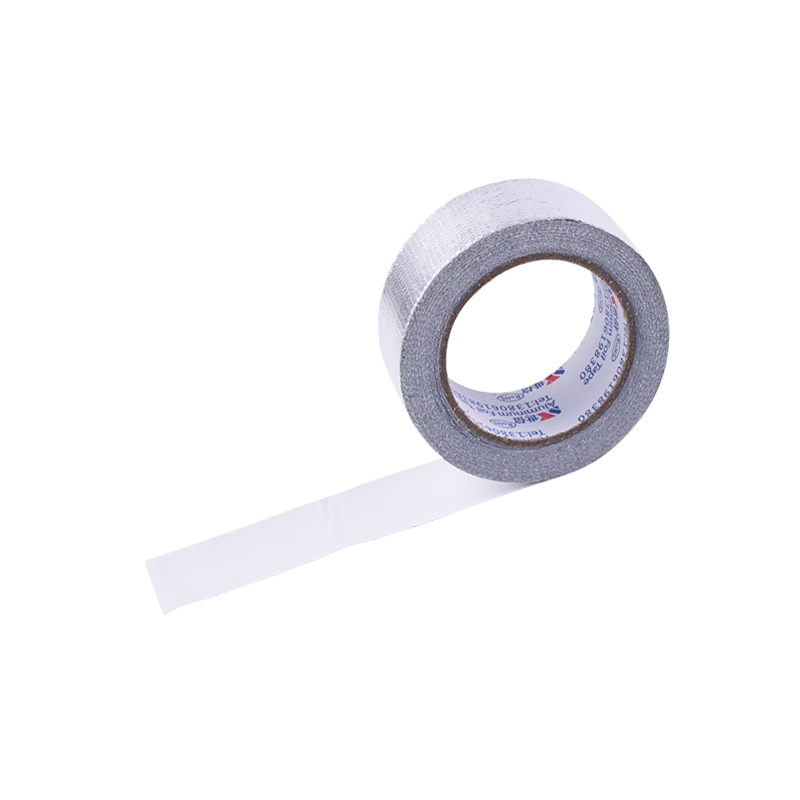
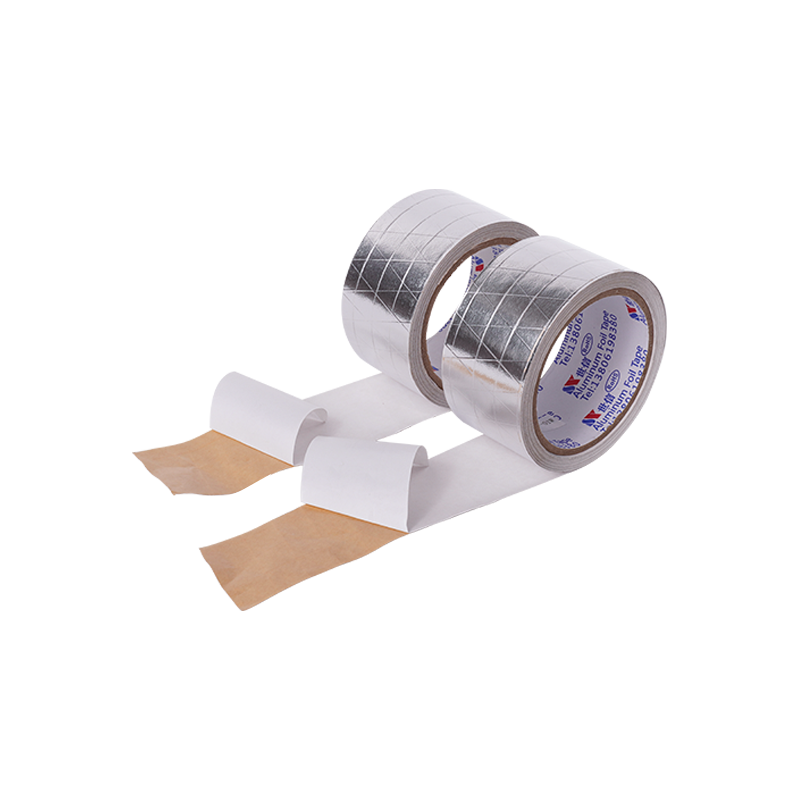
Refrigerator aluminum foil tape without a liner utilizes self-wound construction where the adhesive surface contacts a release-coated foil backing on the adjacent wrap. This format eliminates silicone-coated paper liners, reducing material waste by 15-20% and enabling continuous feed applications without liner accumulation.
However, self-wound formats present specific handling requirements:
Comparative manufacturing metrics:
| Parameter | Self-Wound (Linerless) | Single-Sided Liner | Double-Sided Liner |
| Material utilization | 98% | 82% | 75% |
| Application speed | Up to 60 m/min | Up to 40 m/min | Up to 30 m/min |
| Waste generation | Minimal (core only) | Moderate (linear waste) | High (two liners) |
| Initial tack development | Immediate | Delayed (liner removal) | Delayed (liner removal) |
| Suitability for complex shapes | Excellent | Good | Moderate |
Automated applicators demand consistent tape dimensions with tight tolerances. Width variations exceeding ±0.5mm cause misalignment in guided feed systems, resulting in adhesive contamination of non-target surfaces.
Critical dimensional specifications for high-speed production:
HVAC aluminum foil tape for refrigerator duct sealing serves dual functions in appliance manufacturing: thermal insulation, a vapor barrier sealing, ng and structural reinforcement of component joints. Proper application engineering ensura es 15-20 year service life matching appliance warranty periods.
Finned heat exchangers in refrigeration systems require protection during handling, shipping, and operation. Aluminum foil tape applications include:
Surface preparation protocols significantly impact bond durability:
| Surface Condition | Surface Energy (dynes/cm) | Recommended Preparation | Expected Bond Strength |
| Mill finish aluminum | 40-45 | IPA wipe, air dry | 85% of substrate strength |
| Anodized aluminum | 50-60 | Light abrasion, solvent clean | 90% of substrate strength |
| Painted steel (epoxy) | 35-45 | Scuff sanding, degreasing | 75% of substrate strength |
| Copper (oxidized) | 30-35 | Abrasive pad, acid etch optional | 70% of substrate strength |
| Galvanized steel | 38-42 | Alkaline degreaser | 80% of substrate strength |
Suction line insulation maintains system efficiency by preventing condensation and heat gain. Foil tape serves as the vapor barrier outer layer, requiring:
Installation methodology affects long-term performance:
Industrial refrigeration applications demand comprehensive certification packages beyond basic pressure-sensitive tape standards. Regulatory compliance spans electrical safety, chemical restriction, and fire performance categories.
Aluminum foil tapes in refrigeration equipment must satisfy:
Global market access requires adherence to evolving chemical restriction frameworks:
| Regulation | Scope | Critical Restrictions | Compliance Verification |
| RoHS Directive 2011/65/EU | Electrical/electronic equipment | Cd, Pb, Hg, Cr(VI), PBB, PBDE | Third-party testing, supplier declarations |
| REACH Regulation (EC) No 1907/2006 | All articles placed on the EU market | SVHC list substances >0.1% w/w | SCIP database notification, chemical analysis |
| Prop 65 (California) | Products sold in California | Listed carcinogens and reproductive toxicants | Warning labels or substance elimination |
| TSCA Section 6(h) | US market PBT chemicals | PIP 3:1, DecaBDE, etc. | Supply chain certification |
Beyond unit pricing, the total cost of ownership for refrigerator foil tape encompasses application efficiency, defect rates, inventory carrying costs, and warranty exposure. Asian manufacturing partnerships offer significant advantages when quality systems meet international standards.
Our 11,000-square-meter facility utilizes automated coating lines with 2-meter web widths, achieving economies of scale impossible in smaller operations:
Cost advantage drivers:
| Cost Component | EU Supplier Typical | Optimized Asian Manufacturing | Savings Mechanism |
| Raw materials (aluminum, adhesive) | Baseline | -8% | Regional sourcing, volume purchasing |
| Production labor | Baseline | -12% | Automation, process efficiency |
| Energy and overhead | Baseline | -6% | Modern equipment, scale efficiencies |
| Logistics (to global hubs) | Baseline | +3% | Longer shipping distances |
| Net landed cost advantage | 100% | 85-90% | 10-15% total savings |
Standard HVAC tape is not recommended for refrigerator applications due to inadequate low-temperature performance. While HVAC tapes function adequately above -10°C, refrigerator evaporators operate at -25°C to -40°C, causing standard adhesive formulations to glassify and lose tack. Additionally, HVAC tapes typically lack the chemical resistance required for exposure to modern POE and PAG refrigerant oils. Cold-resistant aluminum foil tape for freezer repair and manufacturing utilizes solvent acrylic adhesives specifically formulated for sub-zero flexibility and refrigerant compatibility.
Refrigerator aluminum foil tape without a liner (self-wound) eliminates the silicone-coated paper or film liner found in traditional constructions. In self-wound formats, the adhesive surface contacts a release-coated backing layer on the adjacent wrap. This reduces material waste by 15-20% and enables faster automated application since no liner removal is required. However, self-wound tapes demand more precise handling to prevent surface contamination. Linered tapes offer better protection during shipping and manual application, but generate liner waste and slow production lines. For high-volume self-wound aluminum foil tape refrigerator manufacturing, linerless formats provide superior economics and sustainability metrics.
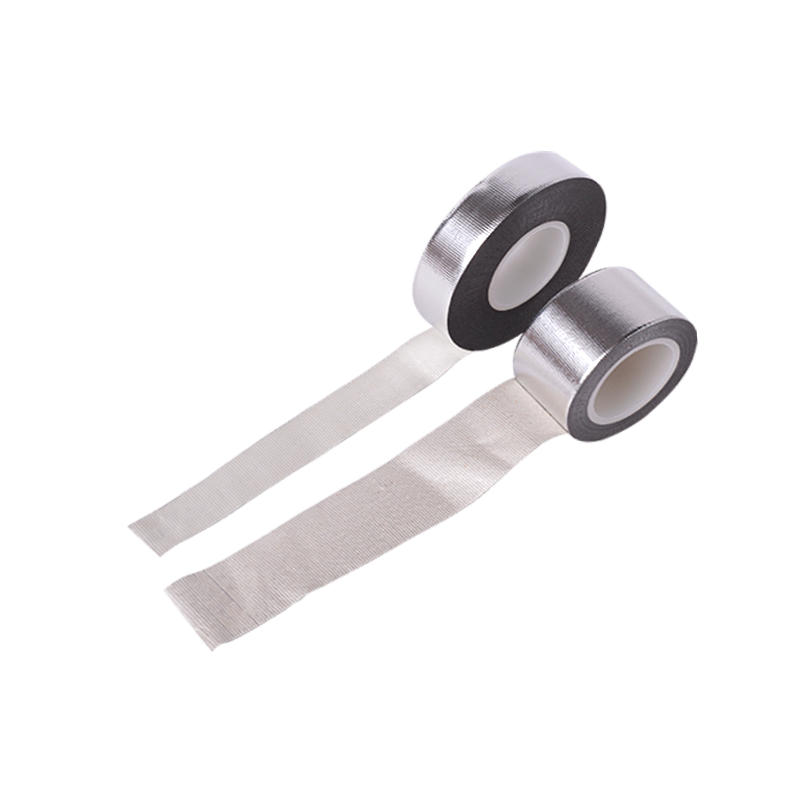
Fiberglass reinforcement addresses the primary limitation of aluminum foil: low tear propagation resistance. Plain aluminum foil tears easily once initiated, particularly at stress concentrations around tube penetrations and corners. Automotive-grade refrigerator foil tape high-temperature variants incorporate woven fiberglass scrim laminated between foil layers or embedded in the adhesive. This increases tensile strength from approximately 45 MPa (plain foil) to 120-150 MPa (reinforced), while improving puncture resistance by 400%. The fiberglass matrix also maintains dimensional stability across the temperature range, preventing shrinkage that could expose insulation substrates.
Surface preparation protocols vary by substrate but generally follow a three-step process: cleaning, abrasion, and verification. For aluminum evaporator coils, isopropyl alcohol wiping to remove machining oils and oxide layers is typically sufficient, achieving surface energy levels of 40-45 dynes/cm. Painted steel cabinets require light scuff sanding to break the gloss surface, followed by degreasing with alkaline cleaners. Copper refrigerant lines benefit from abrasive pad cleaning to remove oxidation, with optional acid etching for critical applications. Regardless of substrate, the application should occur within 4 hours of surface preparation to prevent recontamination. HVAC aluminum foil tape for refrigerator duct sealing achieves maximum bond strength when applied to surfaces above 10°C, even if subsequent service temperatures drop significantly.
Essential certifications include ISO 9001 (quality management), ISO 14001 (environmental management), RoHS (hazardous substance restriction), and REACH compliance for EU market access. For specific applications, UL 723 (flame spread), MIL-PRF-131 (military packaging, indicating robust barrier properties), and automotive IATF 16949 certification demonstrate supplier capability. Requesting actual test reports rather than generic certificates verifies batch-to-batch consistency. Additionally, suppliers should provide technical data sheets with specific values for peel adhesion, shear strength, and temperature resistance rather than qualitative claims. Our facility maintains all aforementioned certifications with annual third-party audits, supporting documentation packages for regulatory submissions.
Selecting appropriate refrigerator foil tape requires systematic evaluation of thermal performance requirements, chemical exposure profiles, mechanical loading conditions, and manufacturing process constraints. The five specialized variants examined—refrigerator aluminum foil tape without liner, cold-resistant aluminum foil tape for freezer repair, HVAC aluminum foil tape for refrigerator duct sealing, self-wound aluminum foil tape for refrigerator manufacturing, and automotive-grade refrigerator foil tape for high temperature—each address specific operational challenges in industrial refrigeration.
Material specification at the engineer level, rather than commodity procurement based on unit price alone, ensures 15-20 year service life matching appliance warranties and reduces field failure risks. Partnership with vertically integrated manufacturers possessing in-house coating capabilities, precision slitting operations, and comprehensive quality systems provides the technical support and supply security required for global appliance production.
Наша компания занимается производством магнитофонов более 20 лет и сосредоточена на различных Типы алюминиевых лент из фольги, пенные ленты, хранения холодильника и т. Д.
Телефон: +86-159-5136-0053
+86-136-6515-8108
WhatsApp +86-159-5136-0053
Электронная почта [email protected]
[email protected]
Адрес: № 1, Йедонг -роуд, к западу от проспекта Ингбин, зона экономического развития, Суциан -Сити, провинция Цзянсу, Китай
Мия Мяо
Электронная почта: [email protected]
Mobile/WhatsApp: 0086 19033791110
Copyright © Jiangsu Shixin Adhesive Tape Products Co., Ltd. All Rights Reserved. Пользовательские клейкие ленты для холодильника ODM Производители